
The recording industry is making more money from fan-made mashups, lip-syncs and tributes on YouTube than from official music videos.
“It’s a massive growth area. We’re very excited about the creativity of consumers using our repertoire and creating their own versions of our videos,” said Francis Keeling, the global head of digital business for Universal Music Group.
For example, a video of American comedian Steve Kardynal wearing a bikini and lip-synching Carly Rae Jepsen’s “Call Me Maybe” for unsuspecting viewers on Chatroulette racked up more than 14 million views, which earned ad dollars for the record label behind Jepsen’s hit single.
User-generated content, which includes mashups and fan-made music videos, are actually generating more money for record labels than the official music videos posted by record labels, Keeling said.
“A lot of that is due to consumers putting more and more repertoire and new versions up there, but also it’s YouTube getting better at advertising,” he said. (The Star)
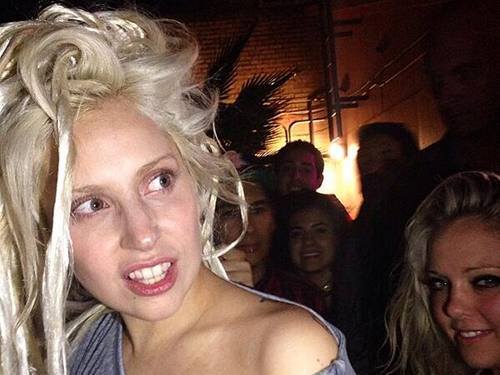
Nearly 12 hours after a wild show at Stubb’s BBQ, Lady Gaga emerged wearing clear trash bags Friday morning for her SXSW keynote and had anything but applause for the current state of the music industry.
“As you get more successful, they push the rule book at you more,” the pop singer said of record executives.
Gaga, known to her fans as Mother Monster, said the underwhelming performance of her latest album “Artpop” only highlighted the fact that the industry’s priorities were upended.
“I’m very proud (of the album)…I’m held to such an insane standard and it’s almost like everybody forgets where the music business is now,” she said. “The sad part is at some point you have to look at those people who believe in you and say, ‘My talent matters more to me than the money does. What I have to say matters more to me than the money does.’ I would give it all up tomorrow if I had to sell my soul. I will retire from the commercial market if I can’t be myself.” CONTINUE READING
I was on a major label for many years, and I only knew one way to make music: follow the template that has been in place for years, and work within the system the music industry was built upon. But after years of not having any records released, my label and I decided to part ways, which left me in an incredibly unique position. Due to numerous stipulations and overrides, I couldn’t just go out and sign another major record deal. I was at a place where the standard music-industry template that the large majority of the music industry had always followed was no longer an option for me. Realizing I couldn’t navigate the old system without a traditional label, I was forced to step out of my comfort zone to continue my career. I had to find a way to continue doing what I love without the luxury of a “system” to follow. It was both an exciting and scary place to be. CONTINUE READING
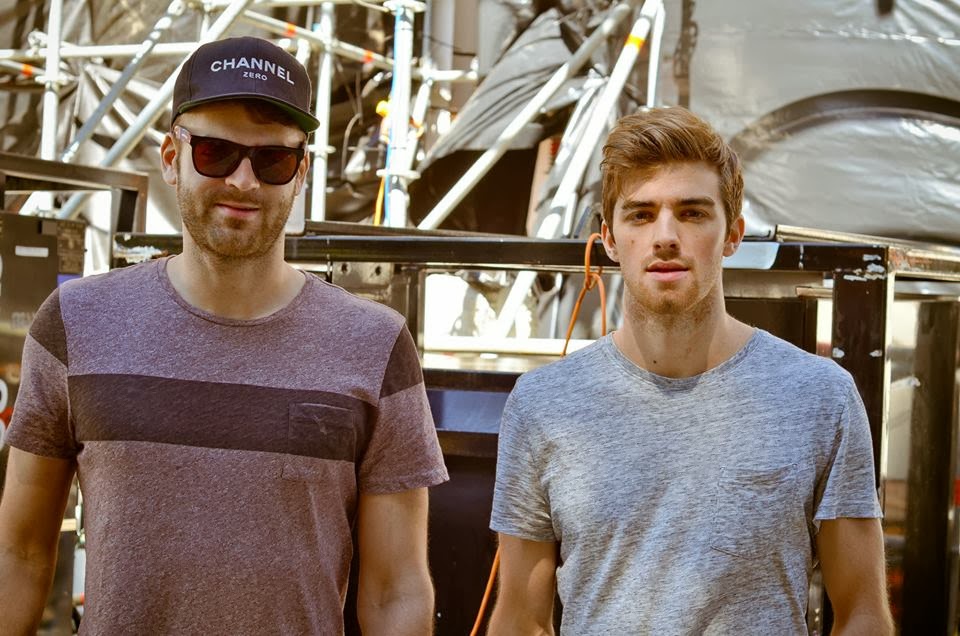
The DJ duo The Chain Smokers who could be the next LMFAO just signed to Universal Republic after a bidding war between Warner Bros., RCA, and others. The war was over the song #Selfie that hit 4 million views on YouTube. Their original tracks have all reached the Beatport top charts and their remixes hit #1 on the HypeM charts, all of which get hundreds of thousands of plays on Soundcloud and posted on countless blogs. The single “#Selfie” has climbed into the iTunes singles Top 20. They are managed by Adam Alpert of the management company 4AM.
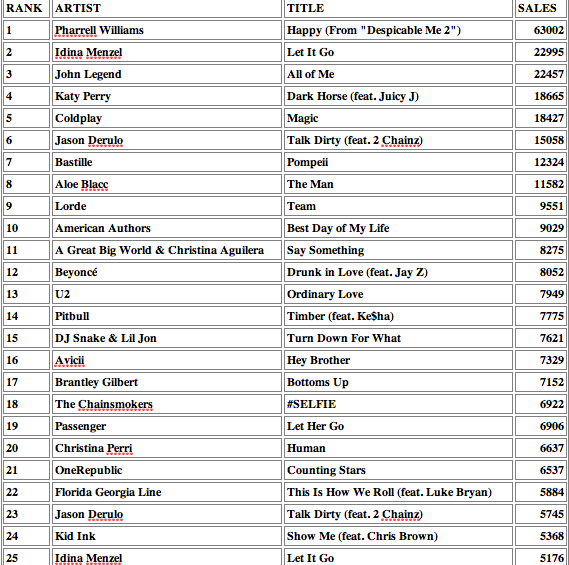
Biggest selling iTunes Artists within the last 24 hours
 Newsletter