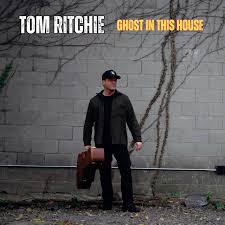
Tom Ritchie is stepping into a new chapter, and he’s not bringing the past with him.
Now based in Nashville, the Yorkshire-born singer-songwriter channels years of late nights, bar stages, and hard-earned perspective into his latest single, “Ghost in This House.” The track feels like a turning point, both sonically and personally, as Ritchie moves away from the grind of his earlier days and into a more refined, intentional sound.
At its core, “Ghost in This House” is about letting go of old versions of yourself, unfinished chapters, and the weight of “what could’ve been.” Ritchie pulls from real moments, including his time in a previous band and long nights spent performing in intimate venues that helped shape his foundation. But instead of romanticizing that era, he draws a line through it.
The production leans into a country-pop/rock blend, balancing melody with introspection. There’s a sense of space in the record, allowing the lyrics to carry the emotional weight without overcomplicating the arrangement.
Working alongside veteran producer John Vesely (Secondhand Serenade), Ritchie is sharpening a sound that sits somewhere between UK rock influence and Nashville storytelling. It’s a combination that gives him a distinct lane familiar enough to connect, but different enough to stand out.
“Ghost in This House” would sit comfortably on playlists like New Music Friday Country, Next From Nashville, Fresh Finds Country, and Country Rock Road Trip, where crossover records with strong narrative pull tend to gain traction.
With more music on the way and a growing presence in Music City, Tom Ritchie is making it clear he’s not revisiting the past, he’s building forward.
Fans can catch him live this spring as he hits the road alongside Secondhand Serenade.
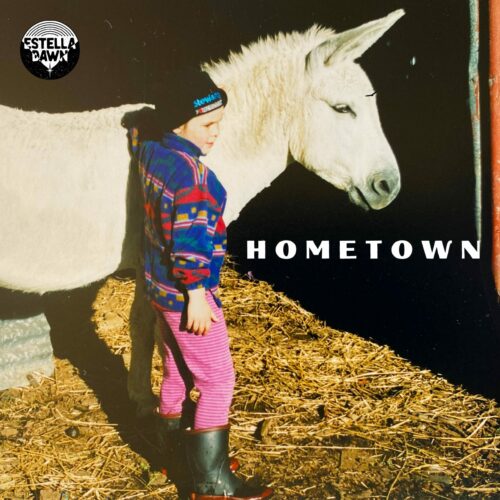
Estella Dawn strips things back and lets the story lead on her latest single, “Hometown.” The San Diego-based artist leans into an alt-folk sound, trading polish for perspective as she reflects on the distance between where she started and where she’s headed.
Born in a small town in New Zealand, Estella uses “Hometown” to unpack the tension that comes with leaving everything familiar behind to chase something bigger. The songwriting is direct and unfiltered, carried by a calm, almost weightless delivery that lets each line sit and resonate.
“I wrote this about the place that made me and the place I had to leave to become me. It’s complicated,” she shares.
That push and pull defines the record. There’s no overproduction here, just warm, stripped instrumentation that gives the lyrics space to breathe. It lands somewhere between reflection and resolve, capturing a feeling a lot of artists, and listeners know well.
“This one’s for every small-town kid who got too big for the box they were put in.”
“Hometown” fits naturally alongside playlists like Fresh Finds Folk, Morning Acoustic, Indie Folk Central, and New Music Friday Folk, where storytelling and stripped-back production take center stage.
Marking her third release this year, Estella Dawn continues to build momentum through consistency and authenticity—two things that never go unnoticed.
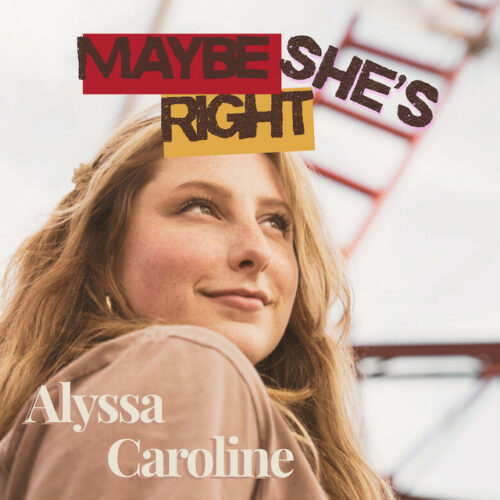
Alyssa Caroline has a way of turning quiet moments into songs that stay with you. Her latest release, “Maybe She’s Right,” captures the emotional aftermath of heartbreak while gently pointing toward self-realization. It’s honest pop storytelling that feels intimate, relatable, and timeless.
The response has been immediate. Within just a few days, the track surpassed 10,000 streams and helped push Alyssa past 30,000 monthly listeners on Spotify—an early sign that her audience is growing fast.
We caught up with Alyssa Caroline to talk about the story behind the song, the emotions that shaped it, and what this moment means as her momentum builds.
“Maybe She’s Right” sits in that uncomfortable space between heartbreak and self-realization. What moment sparked the song?
I was at a party during college with friends after a situationship ended. I was introduced to a girl who was talking to him, and the second I heard it, everything clicked. I realized I was never the problem, and I had tried so hard for someone who was never going to feel the same.
Later that night, he drove all the way from his hometown to meet her at the party. I didn’t want to feel anything when he arrived, so I got drunk. After that night, I realized how powerful that moment was and that it needed to be a song.
The song has picked up traction quickly. Why do you think it’s resonating right now?
I think it’s connecting because so many girls have experienced something like this. Putting everything into a relationship and not getting anything back is both devastating and frustrating. I think the song captures that feeling in a real way.
There’s a raw honesty in the track. How do you balance personal experience with leaving room for listeners?
I put a lot of my story into this song, probably more than I should have, but I wanted to capture exactly how I felt. I remember watching the sun come up in the back of his Jeep with my friends, wondering how I even got there. That imagery helps listeners step into the moment with me.
There’s a shift in the song from sadness to clarity. Was that part of your healing process?
Definitely. After that night, I knew I needed to move on and heal. Writing this song and others became a big part of that process. I’m excited to share more of that journey soon.
With this release gaining momentum, how is it shaping your next moves creatively?
This song opened up new lyrical doors for me. I feel like I can be more vulnerable in my storytelling, and that makes me even more excited to keep creating and releasing new music.
Follow Alyssa Caroline as she continues to build momentum and turn real-life moments into compelling pop records.
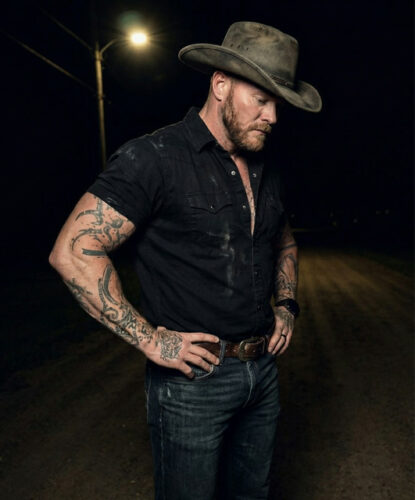
There’s a moment of clarity at the center of Kyle Neville’s “She’s My Religion”—and it’s what gives the song its weight.
Built from real-life reflection, the track leans into a simple but powerful idea: when life throws enough chaos your way—detours, setbacks, loss—you start to figure out what actually holds you steady. For Neville, that answer is love. Not in a surface-level way, but as something constant enough to believe in when everything else feels uncertain.
There’s a grounded, country-rooted honesty in how he delivers it. No overcomplication, no trying to dress it up—the strength of the song comes from how direct it is. His vocal carries that lived-in tone, the kind that feels more like a conversation than a performance.
“In a life full of detours, dead ends, grief, and failure, I realized the strongest belief I had was in our love. That’s when it struck me — true love can be more powerful than faith.”
— Kyle Neville
That quote isn’t just a hook—it’s the backbone of the record.
As an independent artist, Neville is clearly leaning into storytelling first. His catalog reflects real experiences—love, loss, growth—and “She’s My Religion” fits right into that lane. It’s the kind of song that doesn’t try to chase trends, which is exactly why it connects. There’s a sincerity here that cuts through.
From a placement standpoint, this sits naturally on playlists like Next From Nashville and Fresh Finds Country, with crossover potential into New Music Friday Country. There’s also a strong argument for mood-based lists—love-driven, reflective country tracks that lean more into storytelling than production.
Kyle Neville isn’t overthinking it—he’s just telling the truth. And in country music, that’s still what hits the hardest.

There’s something understated but quietly captivating about Ren Genevieve’s latest release, “Museum.” It doesn’t beg for attention—it earns it slowly.
The track feels like walking through a late-night gallery—intimate, reflective, and a little haunting. Her vocal sits front and center, soft but deliberate, pulling you into every line without ever overreaching. There’s a restraint here that works in her favor—nothing feels forced, nothing feels wasted.
Sonically, “Museum” leans into that dreamy indie-pop lane with subtle textures and clean production. Think somewhere between the emotional clarity of Aimee Mann and the modern, atmospheric polish you’d hear on today’s alt-pop records. It’s the kind of track that doesn’t hit all at once—but give it a second listen and it sticks.
Lyrically, she plays with memory and preservation—what we choose to hold onto, what we put on display, and what we quietly keep to ourselves. It’s personal without being heavy-handed, which is where the song really lands.
This fits naturally across playlists like Fresh Finds and The Scene, with crossover potential into New Music Friday given the right early traction. There’s also a strong case for sync—TV dramas, indie films, anything that leans into mood and introspection.
Ren Genevieve isn’t trying to overwhelm you here—she’s inviting you in. And that’s exactly why “Museum” works.
 Newsletter