Several high-profile and emerging artists made noise this week with notable releases and creative moves.
Arctic Monkeys returned with their first new song in years, “Opening Night,” released as part of a charity compilation supporting children affected by global conflict. The track marks a rare moment of new material from one of the most influential alternative bands of the past decade.
Meanwhile, Violet Grohl, daughter of Foo Fighters frontman Dave Grohl, released a new single inspired by filmmaker David Lynch. The release signals a growing wave of second-generation artists stepping into the spotlight with their own creative identity.
Taylor Swift was officially inducted into the Songwriters Hall of Fame, becoming one of the youngest artists ever to receive the honor. The recognition places Swift among elite company, including Bob Dylan, Paul McCartney, and Carole King.
In the UK, the 2026 BRIT Award nominations were announced, with rising artists Olivia Dean and Lola Young leading the pack — a strong signal that the industry continues to shift toward new voices rather than legacy acts.
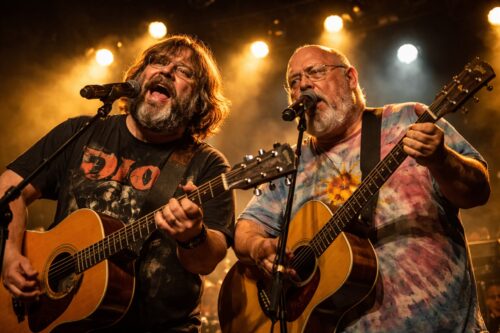
Tenacious D confirmed they are officially returning after a hiatus following public controversy. The band’s return highlights how fan loyalty and digital culture continue to allow artists to rebound quickly, even after major backlash.
One of the most telling industry stories this week came from Kim Petras, who publicly requested to be dropped by her record label after ongoing album delays. The situation drew support from Kesha, reigniting conversations around artist control, creative stagnation, and label power dynamics.
This case reflects a growing trend: artists are becoming more vocal about contractual frustration and are increasingly willing to challenge traditional label structures.
Several key trends are becoming impossible to ignore:
Short-form platforms like TikTok continue to dominate discovery and revenue generation.
Songwriting catalogs are being treated as long-term financial assets.
Artists are prioritizing ownership, independence, and brand leverage over traditional deals.
AI-assisted creativity is emerging as a new frontier, sparking debate over authenticity vs. efficiency.
The modern music business is no longer about just hits — it’s about control, community, and scalability.
The real power shift happening in music isn’t genre — it’s leverage.
Artists who understand branding, ownership, and catalog value are the ones building sustainable careers. The days of “get signed and hope” are over. The new model is:
Build audience first
Control your masters
Treat songwriting like real estate
Use labels as partners, not gatekeepers
Taylor Swift’s career, Kim Petras’ conflict, and the rise of independent releases all point to the same conclusion:
The future of music belongs to artists who think like entrepreneurs.
Follow Kings of A&R for real industry insights on artists, labels, trends, and the future of the music business. No fluff. No hype. Just the real game behind the scenes.

There’s a quiet shift happening in the creative world…
More artists are finding real momentum in their 30s, not as a comeback or a second chance, but as their first true breakthrough.
At the same time, there’s still intense pressure to start young…
to be ahead early…
to feel like if something hasn’t happened by your early twenties, the window is closing.
Both ideas are true in different ways.
When someone breaks in their 30s, it often gets framed as unexpected…
a late bloom…
But the truth is simpler.
Most of these artists didn’t suddenly begin creating at that age…
they had been writing, recording, performing, and experimenting quietly for years.
The breakthrough looks sudden only because the work before it was invisible.
Your 30s tend to be the moment when things finally line up…
You know what you’re good at.
You know what you’re not.
Your work stops sounding like your influences and starts sounding like you.
Confidence replaces guesswork…
and audiences feel that shift immediately.
Starting young still matters…
but not for the reasons people usually think. CONTINUE READING

Artists do not beat algorithms by trying to out optimize them. That is a losing game. Algorithms are designed to reward consistency, predictability, and volume, which is exactly what AI excels at. Real artists win by playing a different game altogether.
First, algorithms can distribute music, but they cannot create meaning. Fans do not connect to data points. They connect to stories. An artist who shares why a song exists, what moment it came from, and what it cost emotionally will always outlast faceless content, no matter how well placed it is in a feed.
Second, depth beats reach. AI can reach millions. Humans build loyalty. A smaller audience that feels seen, replied to, and brought into the process will stream, buy tickets, show up, and spread the word. Algorithms cannot replicate trust or community.
Third, scarcity matters again. When music is infinite, intention becomes valuable. Limited releases, live only versions, stripped demos, handwritten lyrics, and intimate shows are things algorithms cannot mass produce without losing impact.
Fourth, performance becomes the filter. AI can generate songs, but it cannot stand on a stage and make a room feel something. Touring, live sessions, raw vocals, and real reactions will increasingly separate artists from automated output.
Finally, use the algorithm without worshiping it. Smart artists treat platforms as pipes, not gods. They use AI for admin, editing, and speed, but keep creation human. Technology should amplify the voice, not replace it.
The truth is this. Algorithms reward what is easy to consume. Artists win by being hard to replace. In an AI saturated world, authenticity is not a slogan. It is a competitive advantage.

As the music industry moves into a new year, one thing is becoming increasingly clear: momentum is shifting away from shortcuts and toward intentional, well-built careers.
At Kings of A&R, we spend much of our time observing patterns, not just which songs perform well, but why certain artists continue to grow while others plateau. Looking ahead, the next year is shaping up to reward artists who focus on craft, clarity, and connection rather than chasing every new trend.
For years, independent artists were encouraged to release music constantly to feed algorithms. That strategy is losing effectiveness. What’s replacing it is a renewed emphasis on quality over quantity.
Artists who are cutting through are taking more time between releases, refining songwriting, tightening production, and presenting music that feels finished and purposeful. One well-executed release is increasingly outperforming multiple rushed drops.
Audiences are becoming more discerning. Highly polished, overly branded content is starting to feel distant, while more personal, behind-the-scenes moments are resonating.
In-studio clips, songwriting process videos, and honest reflections around a release are creating stronger artist-to-fan connections. The shift isn’t about abandoning visuals — it’s about authenticity. Fans want to understand the artist, not just consume the product.
Being independent no longer means doing everything alone. The artists making the most progress are surrounding themselves with small, trusted teams, producers, writers, engineers, vocal coaches, and editors who help elevate the work.
This selective collaboration model allows artists to remain independent while benefiting from outside perspective and experience. The next wave of successful independent artists will be self-directed, but not isolated.
Despite the dominance of short-form video, written editorial coverage is quietly regaining importance. Blog features, interviews, and thoughtful write-ups create a sense of legitimacy and long-term discoverability that fleeting social content often can’t provide.
Artists who invest in narrative — telling their story clearly and consistently — are building foundations that last beyond a single release cycle.
The coming year is also reshaping how artists approach live shows. Instead of playing as many gigs as possible, artists are becoming more strategic, choosing better rooms, more targeted audiences, and fewer but more meaningful performances.
Curated showcases and selective appearances are replacing the old volume-based touring mindset. Presence and preparation matter more than frequency.

If things feel quiet right now, you’re not imagining it. The final days of December are traditionally one of the slowest windows of the year for independent releases, submissions, and media coverage. Most artists, curators, and platforms are using this time to reset rather than push new music.
Many independent artists intentionally avoid releasing music between Christmas and New Year’s. Attention is fragmented, editorial teams are lighter, and fans are less engaged with discovery. Instead of dropping songs, artists are finalizing January releases, lining up playlist pitches, and tightening visuals and branding for the new year.
While major releases are scarce, streaming platforms are quietly favoring mood-based and discovery-driven playlists. This creates a short window where independent artists already in the system can still see movement, especially in genres like alt-pop, indie pop, folk, and electronic. It’s less about big debuts right now and more about consistency and positioning.
Venues and promoters may look quiet publicly, but planning for spring and summer shows is happening now. Many independent artists are submitting for support slots, regional tours, and early festival placements behind the scenes, even if announcements won’t come until January or February.
Instead of rushing a release, many artists are using late December to prepare assets, update bios, refresh press photos, and line up blog and playlist targets. This groundwork often makes the difference between a quiet release and a strong January rollout.
Momentum typically returns quickly after the New Year. Submissions increase, curators become more active, and audiences are more open to discovering new music. For independent artists, late December isn’t a dead zone. It’s a planning window that sets the tone for the months ahead.
Check out more independent and emerging artists at Kings of A&R:
https://kingsofar.com/about-kings-of-ar/
 Newsletter