
Lauren Presley returns with a punch on “Everything You Hate,” a track that leans fully into tension, release, and controlled chaos.
The record opens restrained, a muted guitar and airy vocal that feels almost deceptive in its calm. But it doesn’t stay there long. The pre-chorus tightens the grip, and when the chorus finally breaks, it hits with distorted vocals and full-bodied rock production that feels intentionally unpolished in all the right ways. It’s loud, emotional, and direct.
What stands out most is the pacing. Presley knows when to pull back and when to let it explode. The second verse keeps the drums driving while stripping things down just enough to refocus on the message, before launching back into a chorus that feels even heavier the second time around. The bridge adds that final surge — the kind that turns a good alt-rock track into something repeat-worthy.
Vocally, she walks the line between control and unraveling. There’s grit here, but it never feels forced. It fits the tone of the record — honest, a little chaotic, and fully intentional.
Lauren Presley, a Texas-born, Nashville-based artist, continues to carve out a lane that blends alt-pop melodies with darker, rock-driven edges. Drawing influence from artists like Halsey, Jutes, and Maggie Lindemann, she’s building a sound that sits comfortably between vulnerability and attitude. With over 10 million streams and strong editorial and press support, the momentum is real — and growing.
“Everything You Hate” feels like a statement record. Not overthought. Not polished to perfection. Just raw energy delivered exactly how it’s meant to land.
This release would fit naturally across Spotify playlists like Fresh Finds Rock, All New Rock, New Noise, Misfits 2.0, The Scene, Pop Punk’s Not Dead, Rock This, Alternative Beats, Teen Angst, and Fresh Finds — all spaces where emotionally driven, high-impact alt-rock continues to resonate with listeners looking for both edge and authenticity. This is the kind of track that doesn’t ask for your attention, it takes it.

Alyssa Caroline is proving she’s not just another indie pop artist, she’s a true wordsmith, and “It’s Raining” is the kind of record that quietly makes that case.
Built around a soft, atmospheric backdrop, the song leans into simplicity and lets the writing do the heavy lifting. Opening with the familiar line, “it’s raining, it’s pouring, the old man is snoring again,” Caroline flips something almost childlike into something introspective, pulling the listener into a space that feels both nostalgic and emotionally raw.
From there, she paints a scene that doesn’t try too hard, but hits anyway. Sitting alone, checking her phone, wondering if the feeling is mutual. Lines like “I sit inside this lonely room, wishing I was anywhere else with you… do you wish it too?” land because they feel lived-in. That’s where Caroline separates herself, she understands that real storytelling doesn’t need to be overcomplicated.
The production stays intentionally restrained, giving her harmony-laced vocals room to breathe while reinforcing the mood. It’s the kind of track that just sits with you, perfect for a rainy night when your thoughts are louder than everything else.
And that tone positions the song exactly where it belongs, fitting perfectly alongside records you’d find on Spotify playlists like Chill Pop, Fresh Finds Pop, Indie Pop Chill, Sad Hour, and Late Night Vibes, the kind of spaces where subtle, emotionally-driven songwriting tends to stick.
Alyssa Caroline isn’t forcing anything here. She’s observing, capturing, and delivering, and that’s what makes “It’s Raining” resonate.

Denver-based artist LOSTNOTE delivers a textured, genre-blurring sound on his latest release, “Fumes.” A Gen Xer with over two decades of experience making music, he brings a seasoned perspective to a modern sonic palette—pulling influence from acts like The Postal Service, Radiohead, and Twenty One Pilots.
“Fumes” leans into moody atmospheres and layered production, combining retro guitar tones with lo-fi textures and hip-hop-inspired rhythms. The track builds around gritty, experimental mid-bass that gives it a raw, slightly unpolished edge—balancing emotion with sonic experimentation. There’s a strong attention to sound design throughout, with elements shaped using tools like Twin3 and Serum 2, adding depth and character to the overall mix.
With its atmospheric tone and crossover appeal, “Fumes” would be a strong fit for Spotify playlists like New Music Friday, Fresh Finds, and The Scene, while also landing comfortably on mood-driven and indie-focused rotations such as Lorem, All New Indie, Indie Pop, Chill Tracks, Alternative Beats, Bedroom Pop, and Metropolis.
With “Fumes,” LOSTNOTE blends experience with experimentation,crafting a sound that feels both nostalgic and forward-thinking.
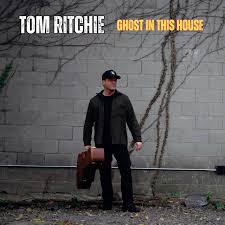
Tom Ritchie is stepping into a new chapter, and he’s not bringing the past with him.
Now based in Nashville, the Yorkshire-born singer-songwriter channels years of late nights, bar stages, and hard-earned perspective into his latest single, “Ghost in This House.” The track feels like a turning point, both sonically and personally, as Ritchie moves away from the grind of his earlier days and into a more refined, intentional sound.
At its core, “Ghost in This House” is about letting go of old versions of yourself, unfinished chapters, and the weight of “what could’ve been.” Ritchie pulls from real moments, including his time in a previous band and long nights spent performing in intimate venues that helped shape his foundation. But instead of romanticizing that era, he draws a line through it.
The production leans into a country-pop/rock blend, balancing melody with introspection. There’s a sense of space in the record, allowing the lyrics to carry the emotional weight without overcomplicating the arrangement.
Working alongside veteran producer John Vesely (Secondhand Serenade), Ritchie is sharpening a sound that sits somewhere between UK rock influence and Nashville storytelling. It’s a combination that gives him a distinct lane familiar enough to connect, but different enough to stand out.
“Ghost in This House” would sit comfortably on playlists like New Music Friday Country, Next From Nashville, Fresh Finds Country, and Country Rock Road Trip, where crossover records with strong narrative pull tend to gain traction.
With more music on the way and a growing presence in Music City, Tom Ritchie is making it clear he’s not revisiting the past, he’s building forward.
Fans can catch him live this spring as he hits the road alongside Secondhand Serenade.
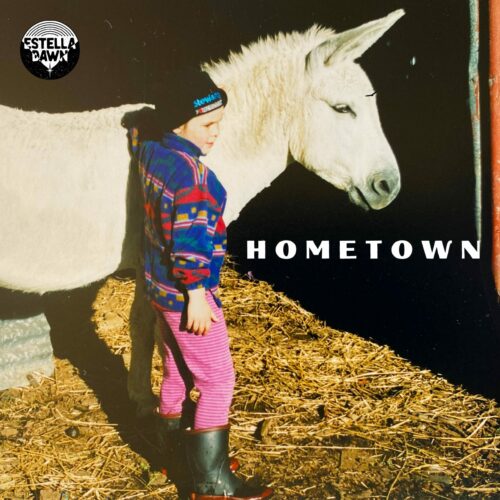
Estella Dawn strips things back and lets the story lead on her latest single, “Hometown.” The San Diego-based artist leans into an alt-folk sound, trading polish for perspective as she reflects on the distance between where she started and where she’s headed.
Born in a small town in New Zealand, Estella uses “Hometown” to unpack the tension that comes with leaving everything familiar behind to chase something bigger. The songwriting is direct and unfiltered, carried by a calm, almost weightless delivery that lets each line sit and resonate.
“I wrote this about the place that made me and the place I had to leave to become me. It’s complicated,” she shares.
That push and pull defines the record. There’s no overproduction here, just warm, stripped instrumentation that gives the lyrics space to breathe. It lands somewhere between reflection and resolve, capturing a feeling a lot of artists, and listeners know well.
“This one’s for every small-town kid who got too big for the box they were put in.”
“Hometown” fits naturally alongside playlists like Fresh Finds Folk, Morning Acoustic, Indie Folk Central, and New Music Friday Folk, where storytelling and stripped-back production take center stage.
Marking her third release this year, Estella Dawn continues to build momentum through consistency and authenticity—two things that never go unnoticed.
 Newsletter